

Understanding Thyroid Disorders in Women: Early Symptoms, Diagnosis & Treatment
March 16, 2026
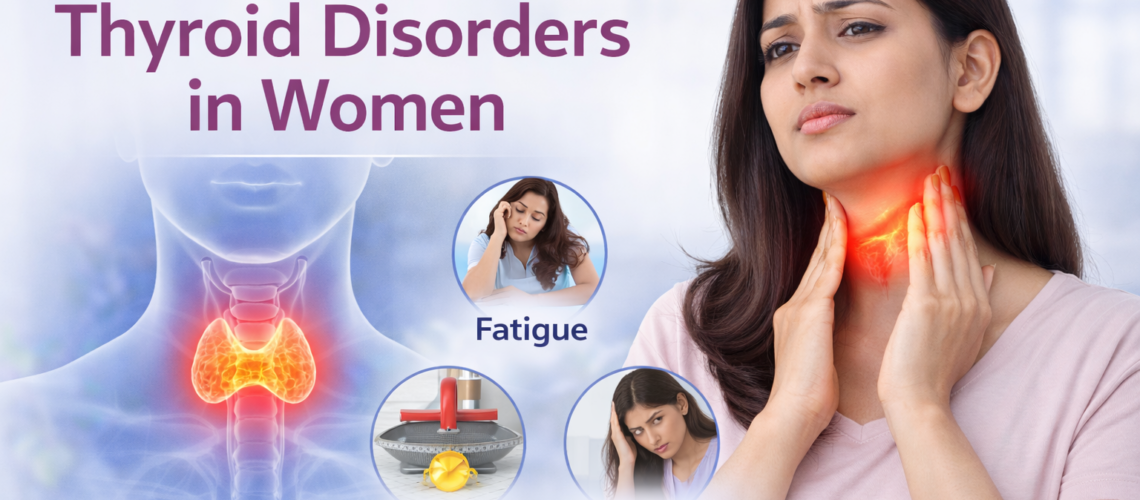
Thyroid disorders are among the most common hormonal conditions affecting women worldwide. The thyroid gland, located in the neck, plays a vital role in regulating metabolism, energy levels, body temperature, and hormone balance. However, when the gland produces too much or too little hormone, it can lead to serious health issues. Understanding thyroid disorders in women is important because early detection can help prevent complications and improve overall well-being.
Women are more likely than men to develop thyroid problems, especially during pregnancy, after childbirth, or during menopause. Therefore, recognizing early symptoms of thyroid disorders in women can help individuals seek medical advice before the condition worsens.
Thyroid Disorders in Women: Common Symptoms to Watch For
The symptoms of thyroid disorders in women may vary depending on whether the thyroid gland is underactive (hypothyroidism) or overactive (hyperthyroidism). However, many women ignore these symptoms because they often resemble everyday stress or fatigue.
Some common warning signs include:
1. Persistent Fatigue
Constant tiredness or low energy levels, even after adequate rest, may indicate an underactive thyroid.
2. Unexplained Weight Changes
Sudden weight gain or weight loss without significant changes in diet or physical activity can be linked to thyroid hormone imbalance.
3. Hair Loss and Dry Skin
Thinning hair, brittle nails, and dry skin are often early signs of hormonal disturbances caused by thyroid dysfunction.
4. Irregular Menstrual Cycles
Hormonal imbalance from thyroid disorders can affect menstrual cycles, causing heavy periods, irregular cycles, or fertility problems.
5. Mood Changes
Anxiety, depression, irritability, or mood swings can also be associated with thyroid problems.
Recognizing these symptoms early allows women to seek medical evaluation and begin appropriate treatment.
Causes and Risk Factors
Several factors increase the risk of thyroid disorders in women. Autoimmune diseases such as Hashimoto’s thyroiditis and Graves’ disease are among the most common causes. Additionally, family history, iodine deficiency, pregnancy-related hormonal changes, and certain medications can also affect thyroid function.
Moreover, women over the age of 35 are more likely to develop thyroid issues. Therefore, regular health checkups are recommended for early detection.
Diagnosis and Medical Evaluation
Doctors usually diagnose thyroid disorders through a combination of physical examination and blood tests. Thyroid function tests measure levels of TSH (Thyroid Stimulating Hormone), T3, and T4 hormones in the blood.
In some cases, imaging tests such as thyroid ultrasound may also be recommended. These tests help identify abnormalities in the thyroid gland and guide treatment decisions.
Early diagnosis is essential because untreated thyroid conditions can lead to complications such as heart problems, infertility, and metabolic disorders.
Treatment Options for Thyroid Disorders
Treatment depends on the type and severity of the condition. For hypothyroidism, doctors often prescribe thyroid hormone replacement therapy to restore normal hormone levels. On the other hand, hyperthyroidism may require medications, radioactive iodine therapy, or surgical treatment in certain cases.
Additionally, lifestyle changes such as maintaining a balanced diet, managing stress, and regular medical monitoring can help manage symptoms effectively.
Protecting Your Hormonal Health
Thyroid health plays a significant role in overall wellness. Paying attention to early symptoms and seeking medical advice can help women manage thyroid disorders effectively. Regular screening and timely treatment ensure better hormonal balance and long-term health.
Expert Care at Medipoint Hospital Pune
If you are experiencing symptoms such as fatigue, unexplained weight changes, or hormonal imbalance, consult a healthcare professional without delay. At Medipoint Hospital Pune, experienced doctors provide comprehensive diagnosis and treatment for thyroid disorders in women. Early evaluation and personalized care can help manage thyroid conditions effectively and support your long-term health.