

Your First 48 Hours After Laparoscopic Surgery: What to Expect, How to Care & When to Contact a Doctor
November 29, 2025
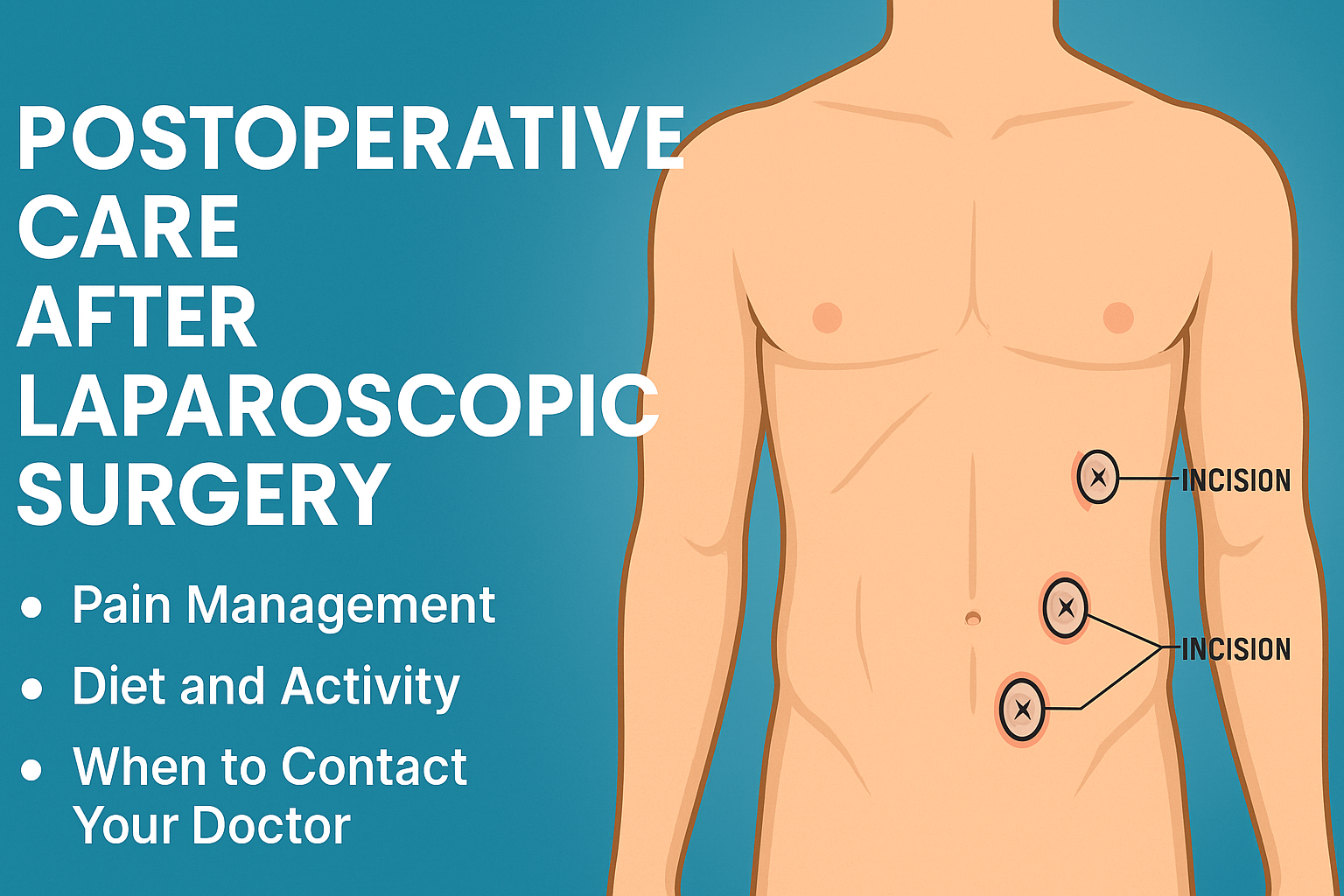
Postoperative Care After Laparoscopic Surgery: Your First 48 Hours Explained
Postoperative Care After Laparoscopic Surgery is one of the most important aspects of a patient’s recovery journey. While laparoscopic procedures are known for smaller cuts, minimal pain, and faster healing, the first 48 hours after surgery play a crucial role in ensuring smooth recovery and preventing complications. Understanding what to expect — and how to manage pain, diet, mobility, and wound care — helps patients feel more confident, prepared, and safe during the early healing phase.
What Happens Immediately After Laparoscopic Surgery?
Once the surgery is completed, you are moved to the recovery room where vital signs such as heart rate, blood pressure, and oxygen levels are monitored. Patients may feel mild discomfort, sleepiness, or abdominal bloating due to the gas used during laparoscopy. This is normal and improves quickly with supportive care. Nurses will check the surgical dressings, wounds, and drains (if any) as part of Postoperative Care After Laparoscopic Surgery.
You may also receive pain relievers, antibiotics, and IV fluids. During this period, the medical team ensures you are stable and comfortable before shifting you to your room.
First 24 Hours: Pain, Diet & Mobility
1. Pain Management
Mild to moderate pain at the incision sites or shoulders (due to trapped gas) is common. Doctors prescribe analgesics that help keep pain under control. Taking medicines on time is essential for smooth recovery.
2. Diet
Most patients start with sips of water, clear liquids, and then soft foods. Heavy, oily, and spicy meals should be avoided initially. Light meals support digestion and reduce nausea, a key part of Postoperative Care After Laparoscopic Surgery.
3. Mobility
Early mobilization is important. Patients are encouraged to sit up, stand, and take short walks as soon as they feel comfortable. This reduces the risk of blood clots, improves lung capacity, and speeds healing.
24–48 Hours: Wound Care & Home Preparation
1. Wound Care
Laparoscopic cuts are small, but proper care is essential. Keep the area dry, avoid touching the dressing unnecessarily, and watch for redness, swelling, or discharge. These could be signs of infection and require medical attention.
2. Bathing
Most patients can take a sponge bath initially. Full showers are usually allowed once the doctor confirms the wound is healing properly.
3. Medications
Complete the full course of antibiotics and take pain relievers as instructed. This helps prevent infection and ensures comfortable recovery.
4. Activity Level
Walking is encouraged, but strenuous exercise, lifting heavy weights, and bending should be avoided. Light household activity is usually fine.
When to Contact Your Doctor
As part of safe Postoperative Care After Laparoscopic Surgery, contact your doctor immediately if you notice:
- Fever above 100.4°F
- Persistent vomiting
- Increasing abdominal pain
- Redness or discharge from wounds
- Difficulty breathing
- Swelling in legs
- Inability to pass urine or stool
Importance of Follow-Up Visits
Follow-up appointments allow doctors to check wound healing, remove stitches if needed, and track your recovery. They may also guide diet progression, activity levels, and physiotherapy if required.
Why Choose Medipoint Hospital for Safe Postoperative Care
Medipoint Hospital offers comprehensive surgical care with advanced operation theatres, an in-house diagnostic center, and a skilled medical team. From surgery to recovery, the hospital ensures complete support for patients undergoing laparoscopic procedures, making your healing journey safe, smooth, and well-guided.