

Frequent Infections in Children: When It’s Normal and When to Worry
January 16, 2026
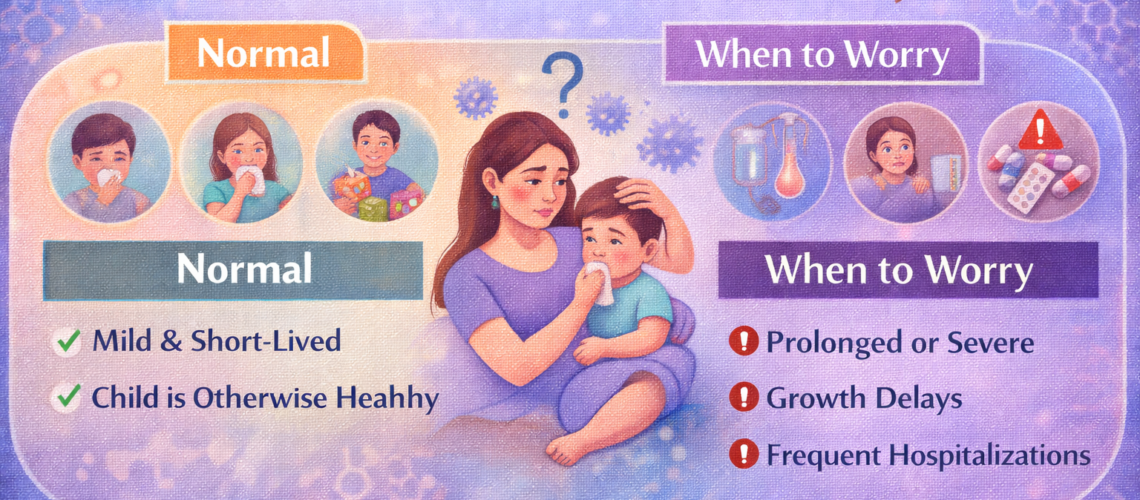
Frequent infections in children are one of the most common reasons parents visit a pediatrician. Young children, especially in their early years, tend to fall sick often as their immune systems are still developing. While many infections are a normal part of growing up, some patterns may indicate an underlying health concern that needs medical attention.
Why Children Get Infections So Often
Children are exposed to new germs every day—at school, playgrounds, and daycare centers. Their immune systems are learning to recognize and fight these infections. As a result, common illnesses such as colds, coughs, sore throats, and mild fevers occur more frequently in children than in adults. This immune “training phase” is normal, especially in children under five years of age.
What Is Considered Normal?
Frequent infections in children can be considered normal if:
- The child recovers fully between illnesses
- Infections are mild and short-lived
- Growth and development remain normal
- The child is active and playful between episodes
On average, young children may experience 6–8 respiratory infections per year, especially during school-going years. This does not usually indicate weak immunity.
Common Types of Childhood Infections
Some of the most common infections seen in children include:
- Upper respiratory tract infections (cold, cough, sore throat)
- Ear infections
- Gastrointestinal infections causing diarrhea
- Viral fevers
Most of these infections are viral and resolve with basic care and rest.
When Should Parents Be Concerned?
While frequent infections in children are often harmless, certain warning signs should not be ignored:
- Infections that are severe or prolonged
- Poor weight gain or growth delays
- Repeated hospitalizations
- Need for frequent antibiotics
- Persistent fever or infections not responding to treatment
- Unusual or recurrent infections
These signs may suggest nutritional deficiencies, allergies, or immune-related conditions that require evaluation.
Factors That Increase Infection Risk
Several factors can contribute to repeated infections:
- Poor nutrition or anemia
- Lack of proper sleep
- Exposure to tobacco smoke
- Incomplete vaccination
- Overcrowded living conditions
Addressing these factors can significantly reduce infection frequency.
How Pediatricians Evaluate Recurrent Infections
A pediatrician may review the child’s medical history, growth pattern, vaccination record, and family history. In some cases, basic blood tests or nutritional assessments may be recommended to rule out deficiencies or immune issues. Early evaluation helps ensure proper treatment and reassurance.
Preventing Frequent Infections
Parents can support their child’s immune health by:
- Ensuring a balanced diet rich in fruits and vegetables
- Maintaining proper hygiene habits
- Keeping vaccinations up to date
- Encouraging regular sleep routines
- Avoiding unnecessary antibiotic use
Healthy lifestyle habits play a major role in building strong immunity.
When to Visit a Pediatrician
If frequent infections in children start affecting daily activities, school attendance, or overall well-being, it’s important to seek medical advice. Early consultation helps identify whether the pattern is normal or requires further care.
At Medipoint Hospital Pune, pediatricians provide comprehensive care, growth monitoring, vaccination services, and expert guidance to help children stay healthy and thrive.
Final Thoughts
Frequent infections in children are often part of normal immune development, but knowing when to worry makes all the difference. With proper awareness, timely care, and preventive measures, most children outgrow this phase and develop strong, resilient immunity.